Ensuring Legal Boundaries Before Hunting, on New Land
Getting access to a hunting spot may seem simple. It is important to remember that having permission alone does not always mean hunting is legal. The edges of the land may overlap with hunting units or the land may have access rules. To ensure everything goes well it is important to review permissions, study maps and stay up to date with rules before hunting begins. This approach saves time. It supports hunting behavior.
Clarify Permissions First
When hunting permission is given it is important to find out where permission applies. Start by asking details from the landowner or the person you contact. Ask for a map that shows boundaries or a clear description of where hunting's allowed. Keep in mind that natural features such as rivers or fences may not always match property lines. Always verify these details with the landowner to avoid assumptions that could cause disputes.
It is also helpful to write down areas that're off-limits entry points and times when hunting is allowed. Clear documentation, which may differ from rules can prevent confusion later. Ensure compliance with landowner wishes.
Understand the Hunting Unit Regulations
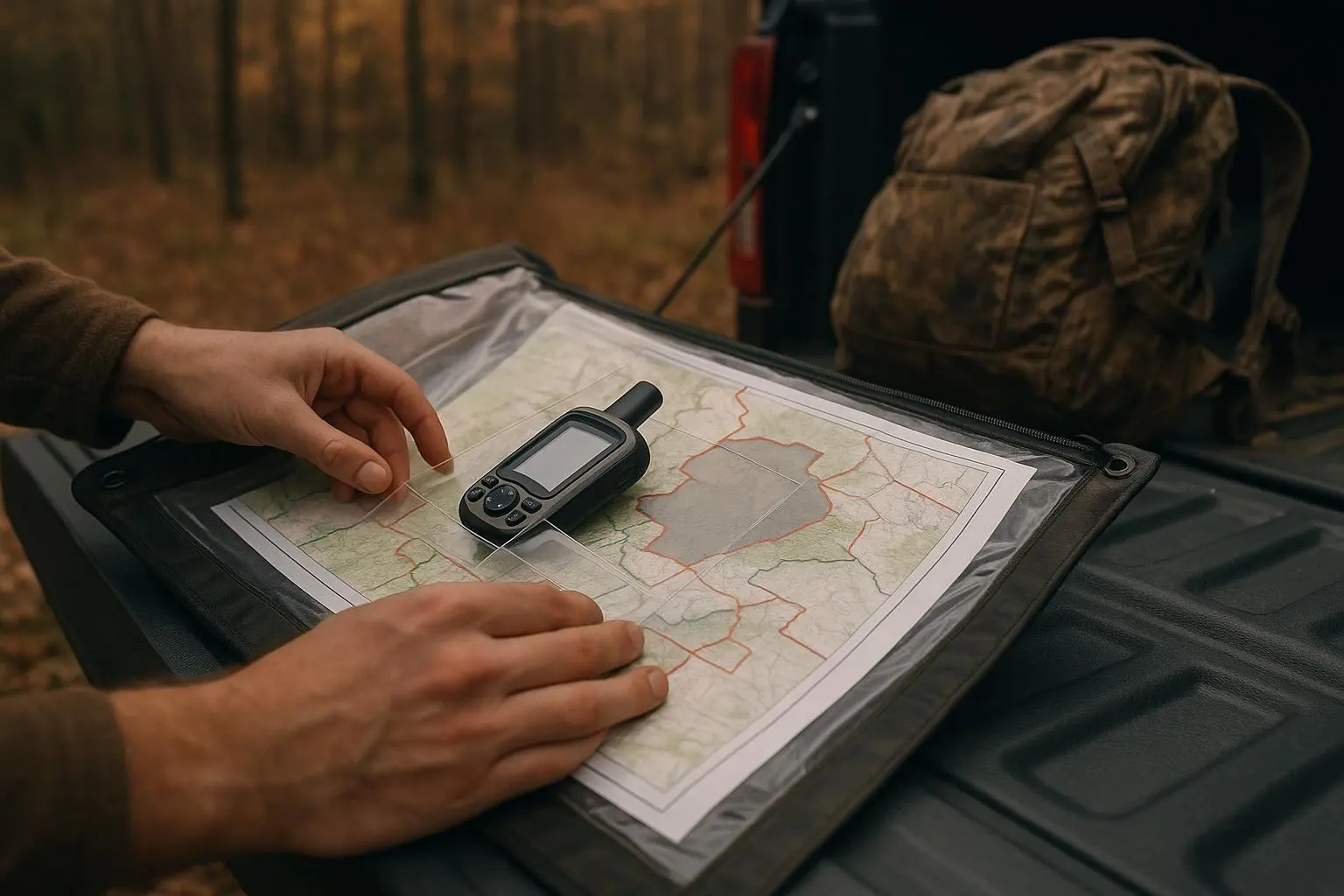
Rules for hunting can be complicated, especially when lands are close to each other yet have regulations. Each hunting unit has dates, weapon regulations, animal limits and tagging requirements. This means it is important to review the map for the unit and compare it with the land you plan to hunt on.
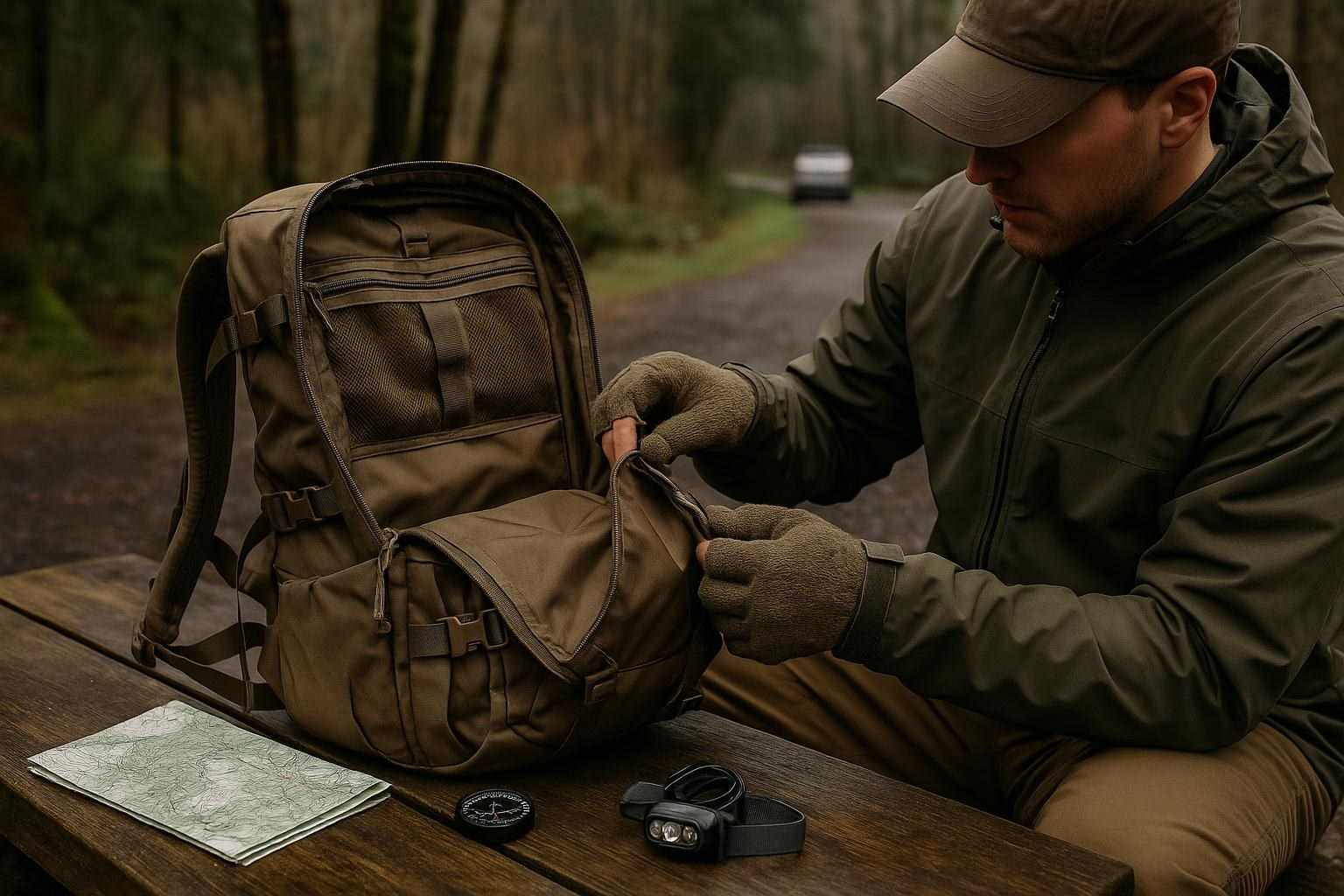
If boundaries are hard to understand do not rely on maps. Instead contact wildlife offices for the up-to-date information especially if the area is unfamiliar. Remember that rules can change and although GPS tools help navigate they do not prove boundaries. Always carry maps particularly when cell service is poor.
Confirm License and Tag Details
A hunting license does not automatically grant permission to hunt any animal or in any area. Before hunting check license details, including allowed animals, required tags and mandatory procedures. Some hunting regulations are very detailed specifying rules for animals or hunting methods.
Learn the rules for the hunting unit you are hunting in. This includes season close dates, permitted equipment and the number of animals you may take. Always seek assistance from sources; following advice from others can prevent mistakes that might ruin a hunt.
Embrace Your Role as a Steward
Keep in mind that obtaining permission from landowners brings responsibilities. Before hunting discuss where driving is allowed, where parking is permitted and how to handle animals or crops on the land. It is also important to ask whether you may bring an assistant and if that assistant requires permission for tasks such as locating an animal.
Plan for scenarios such as a stray shot or a downed animal. Decide how to communicate with neighbors if retrieving an animal is necessary. This planning can prevent conflicts with neighbors during hunting.
Respecting the land is more than about hunting. Avoid disturbing ground leave gates. Do not alter the environment or property. Building relationships with landowners increases the likelihood of hunting permission.
Develop a Field Plan Focused on Boundaries
Having a movement plan, for the land is very important. Clearly mark on the map where entry is allowed where hunting is permitted and where hunting is prohibited. Identify spots where a wounded animal might head toward roads, houses or other areas and adjust hunting spots if necessary. It is better to revise the plan before hunting begins than to face problems
When visiting an area a daytime reconnaissance trip can reveal road conditions, fence accuracy and the presence of animals or other issues. This visit helps plan hunting and avoid risks.
Final Checklist Before You Go
To finish up before you go on your hunting trip make sure the following are true:
– You have permission, for the area the dates and the correct people in your group.
– The place you want to hunt matches the hunting unit map.
– Your license is valid for the animals you want to hunt with the tags for the unit and the season.
– You understand the rules about how to hunt, how animals you can take and what you need to report.
– You know the access routes and the edges of the land including any areas you cannot go into.
– Your plan for shooting takes into account any dangers to houses, animals and nearby land.
– You know where to go for help if you have any questions.
If any item, on this list is not finished think about waiting to check the area without hunting or picking a place with rules. This step is not a problem; it is part of being a hunter who respects the details of land and follows hunting behavior.